

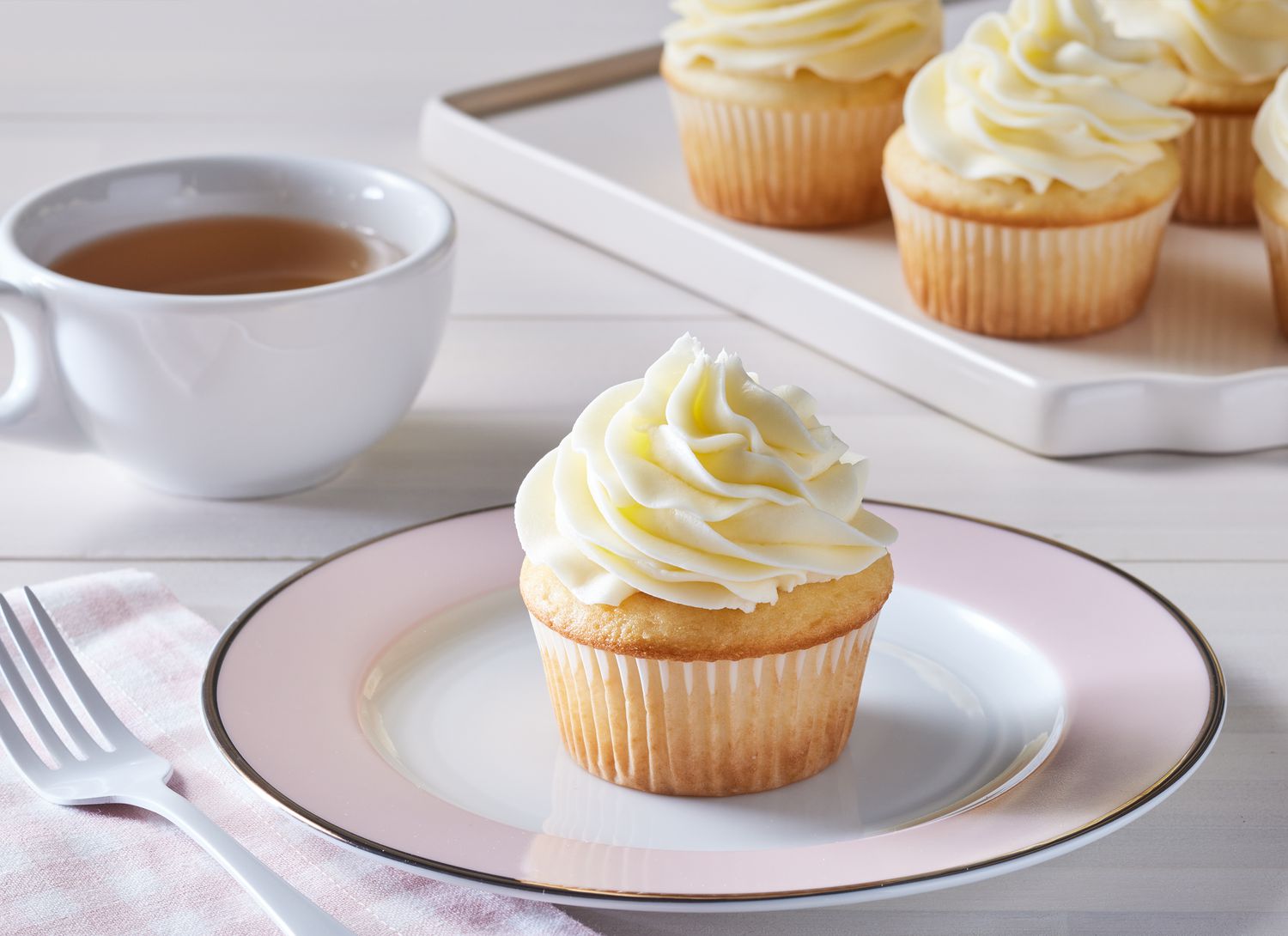
I love making classic buttercream icing for my cakes! Just cream unsalted butter until fluffy, then gradually mix in powdered sugar. Add milk and vanilla, and whip for a few minutes. You can adjust the thickness as needed. This icing is smooth and perfect for decorating. Plus, it’s super versatile—you can add flavors, color, and more to match your cake theme. Stick around, and I’ll share even more icing tips and tricks you won’t want to miss!
History
When I think about the history of cake icing, I can’t help but marvel at how it’s evolved over centuries. From ancient confections crafted with honey and nuts to the lavish sugar icings enjoyed by nobility, icing has always held a special place in culinary art. Royal traditions often dictated extravagant designs that symbolized power and celebration. I can picture gilded cakes gracing banquet tables, each layer adorned with intricate patterns. As the years passed, innovations in ingredients and techniques transformed icing into a canvas for creativity. Today, we blend flavors and textures, crafting masterpieces that pay homage to this rich history while pushing boundaries. It’s exciting to think about where the artistry of cake icing will take us next!
Recipe
Icing can elevate a simple cake into a stunning centerpiece, adding flavor, texture, and visual appeal. Whether you’re preparing for a birthday, wedding, or any special occasion, mastering the art of cake icing can enhance your baking skills considerably. There are various types of icing, but this recipe focuses on a classic buttercream icing that is creamy, smooth, and easy to work with. Perfect for spreading or piping, this icing can be flavored or colored to suit your preferences.
To create this delightful icing, you will need just a few basic ingredients, all of which can be found in your kitchen. The butter should be softened to room temperature to achieve a fluffy consistency. This buttercream can be customized with different extracts like vanilla or almond, as well as food coloring to match the theme of your cake. Once you master this basic recipe, feel free to experiment with different flavors and textures to make it your own.
Ingredients:
- 1 cup unsalted butter, softened
- 4 cups powdered sugar
- 1/4 cup milk
- 2 teaspoons vanilla extract
- Pinch of salt
Instructions:
In a large mixing bowl, beat the softened butter with an electric mixer on medium speed until creamy and fluffy, about 2-3 minutes. Gradually add the powdered sugar, mixing on low until well combined. Once incorporated, add the milk, vanilla extract, and salt. Increase the speed to medium-high and mix for an additional 3-5 minutes until the icing is light and airy. Adjust the consistency as needed by adding more milk for a thinner icing or more powdered sugar for a thicker texture.
Extra Tips:
When icing your cake, be certain that the cake layers are completely cooled to prevent the icing from melting. For a smooth finish, apply a crumb coat first, which is a thin layer of icing that seals in crumbs. Refrigerate the cake for about 30 minutes before applying the final layer of icing. If you’re using food coloring, add it gradually until you reach the desired shade. Remember to keep your icing covered when not in use to prevent it from drying out. Enjoy decorating!
Cooking Steps
Let’s start by gathering all the ingredients you’ll need, as this makes the process smoother and more enjoyable. Once everything’s ready, I mix the ingredients thoroughly to create a smooth base. After that, I’ll add my favorite flavoring extracts to really elevate the taste before chilling the icing for the perfect consistency.
Step 1. Gather Your Ingredients First
Before diving into the fun of decorating, gathering your ingredients is essential for a smooth icing experience. Having the right ingredient types and precise ingredient measurements makes all the difference. Here’s what I always make sure to collect:
- Butter – 1 cup, softened to room temperature for that creamy texture.
- Powdered Sugar – 4 cups, sifted to eliminate lumps and achieve a smooth finish.
- Milk – 2-4 tablespoons, adjusted based on desired consistency.
- Vanilla Extract – 1 teaspoon, for a delightful flavor boost.
With everything in place, I’m ready to release my creativity on the cake. Trust me, taking the time to gather these essentials will set the stage for a beautifully iced masterpiece!
Step 2. Mix Ingredients Thoroughly
Start by creaming the softened butter in a large mixing bowl until it’s light and fluffy, which usually takes about 2-3 minutes. This is a vital step, as the right mixing technique helps incorporate air for a lighter icing. Next, gradually add the powdered sugar, ensuring a smooth blend. I find that maintaining the proper ingredient ratios—two parts sugar to one part butter—creates a balanced texture. Keep your mixer at a medium speed, mixing for another 2-3 minutes until everything’s well combined. Don’t forget to scrape down the sides of the bowl occasionally; it helps achieve a uniform consistency. This thorough mixing will set the foundation for a deliciously creamy icing that’s ready to transform your cake!
Step 3. Add Flavoring Extracts
With the ingredients well mixed and the base creaminess established, it’s time to elevate the icing with flavoring extracts. This is where creativity meets taste! Here are some flavor combinations I love to experiment with:
- Vanilla and Almond – A classic duo that adds depth.
- Chocolate and Peppermint – Perfect for holiday treats.
- Lemon and Lavender – A revitalizing twist that’s unexpectedly delightful.
- Coffee and Hazelnut – For a rich, indulgent flavor.
Choose your extract types wisely; a little goes a long way! Start with about a teaspoon, then adjust to your taste. These flavor infusions not only enhance the icing but also complement your cake, turning it into a masterpiece. Enjoy the process!
Step 4. Chill Icing Before Application
Chilling the icing isn’t just a suggestion; it’s an important step that can make all the difference in your cake’s final presentation. When I chill my icing, I focus on achieving the perfect icing consistency—smooth, spreadable, yet firm enough to hold its shape. I usually employ chill techniques like placing the bowl in the fridge for about 15-20 minutes or using a cold marble slab to cool it down quickly. This cooling process allows the flavors to meld beautifully and gives the icing a luscious texture. Trust me, applying chilled icing yields a stunning finish that’s both professional and inviting. So, don’t skip this important step; your cake deserves that extra touch of perfection!
Step 5. Apply Icing Evenly
Applying icing evenly is essential for achieving that flawless cake finish we all admire. To master this, I rely on several effective icing techniques and smoothing methods. Here’s how I do it:
- Start with a crumb coat: This thin layer locks in crumbs and gives a smooth base.
- Use an offset spatula: It helps spread the icing evenly across the surface.
- Rotate the cake: As I apply icing, I turn the cake on a rotating stand for even coverage.
- Smooth with a bench scraper: I gently glide the scraper around the cake to eliminate any imperfections.
Nutritional Guide
Have you ever wondered how the icing on your cake impacts its overall nutritional profile? Understanding the caloric content and the potential of sugar alternatives can transform your dessert experience. I’ve put together a quick guide to help you make informed choices.
| Ingredient | Caloric Content (per 100g) |
|---|---|
| Traditional Icing | 400 |
| Cream Cheese Icing | 350 |
| Dark Chocolate Icing | 450 |
| Coconut Cream Icing | 300 |
| Sugar-Free Icing | 200 |
Final Thoughts
While the right icing can elevate your cake from ordinary to extraordinary, it’s essential to reflect on how your choices affect not just flavor but also nutrition. I believe that exploring innovative icing techniques and unique flavor combinations can transform your baking experience. Here are a few tips to keep in mind:
- Experiment with natural sweeteners for a healthier option.
- Incorporate pureed fruits for a burst of flavor and nutrients.
- Use herbs and spices to add depth without excess sugar.
- Try a combination of icings, like a rich ganache paired with a light whipped cream.
Frequently Asked Questions
Can I Use Margarine Instead of Butter for Icing?
I’ve tried margarine instead of butter, and while it works, the icing consistency differs. Margarine can make it a bit softer, so I’d recommend adjusting sugar for the perfect texture. Experiment and find your ideal blend!
How Long Can Icing Be Stored?
Icing can last up to two weeks in the fridge or about three months in the freezer. For ideal icing shelf life, I recommend storing it in airtight containers, keeping moisture and air out.
What Are the Best Tools for Icing a Cake?
You’d think fancy tools are essential, but I’ve found a simple spatula works wonders! For piping techniques, I love using a piping bag. Just guarantee the icing consistency’s perfect for stunning results.
Can I Flavor the Icing With Extracts?
I love experimenting with flavor combinations using various extract types. Almond, vanilla, and mint extracts can elevate your icing, creating unique tastes. Just remember to start small and adjust to your preference for ideal results!
How Can I Fix a Runny Icing?
Did you know 70% of home bakers struggle with icing consistency? To fix runny icing, I add thickening agents like powdered sugar or cornstarch, adjusting until I reach that perfect, luxurious texture everyone craves.
Conclusion
As I set the final delicate swirl of icing atop my cake, it feels like painting a masterpiece, each stroke a celebration of sweetness. The vibrant colors and rich flavors blend harmoniously, inviting smiles and sparking joy. With each slice, I’m reminded that baking isn’t just about ingredients; it’s a heartfelt expression of love and creativity. So, gather your tools and let your imagination run wild—because every cake deserves a canvas as beautiful as its taste.

Cake Icing Recipe
Ingredients
Equipment
Method
- Prep: Preheat oven to 325°F (165°C). Grease and flour a 10-inch Bundt pan.
- Dry Ingredients: Whisk flour, baking powder, baking soda, and salt in a bowl. Set aside.
- Cream Butter & Sugar: Beat butter and sugar until fluffy (~3 minutes). Add eggs one at a time, then vanilla.
- Combine: Alternate adding flour mixture and sour cream to the batter, beginning/ending with flour. Mix until just combined.
- Filling: In a small bowl, mix brown sugar, cinnamon, and pecans.
- Layer: Pour half the batter into the pan. Sprinkle filling evenly, then top with remaining batter.
- Bake: 55–65 minutes, or until a toothpick comes out clean. Cool in pan for 15 minutes, then invert onto a rack.
Notes
- Storage: Keep covered at room temperature for 3 days or refrigerate for up to 1 week.
- Substitutions: Swap pecans for walnuts or omit nuts for a nut-free version.
- Tip: For extra moisture, brush warm cake with a simple syrup (1/4 cup sugar + 1/4 cup water, heated).