
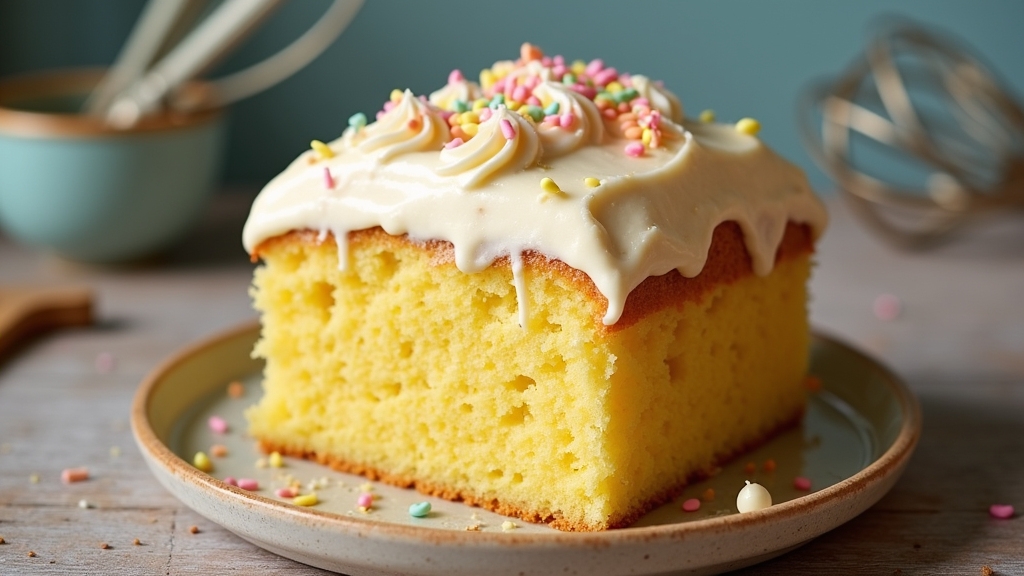
I’ve got a classic yellow cake recipe that’s sure to impress! With just a handful of ingredients like all-purpose flour, butter, and eggs, you’ll create a moist, fluffy cake that’s perfect for any celebration or a sweet everyday treat. It’s simple to make and pairs beautifully with chocolate or fruit-flavored frostings. If you’re excited to learn some baking tips and creative variations, keep going—you won’t want to miss them!
History
When I think about the history of yellow cake, I can’t help but marvel at its evolution over the years. The cake’s origins trace back to the early 19th century, when bakers began experimenting with new ingredients. The introduction of butter and egg yolks gave rise to that rich, golden hue we adore today. As baking traditions spread across the globe, yellow cake became a staple for celebrations, embodying both comfort and creativity. I find it fascinating how this beloved dessert has adapted through time, influenced by regional flavors and modern techniques. It’s a reflection of how innovation can breathe new life into classic recipes, making yellow cake not just a treat, but a delicious piece of culinary history.
Recipe
Yellow cake is a classic dessert that has been loved for generations. Its moist, fluffy texture and simple flavor make it the perfect base for a variety of frostings and fillings, whether you’re celebrating a birthday, an anniversary, or simply indulging in a sweet treat. This cake is easy to make and requires only a handful of ingredients, making it a go-to recipe for both novice bakers and seasoned cooks alike. The warm, buttery flavor of yellow cake pairs wonderfully with chocolate, vanilla, or fruit-flavored frostings.
To achieve the perfect yellow cake, it’s important to carefully measure your ingredients and follow the steps closely. Using room temperature ingredients, such as eggs and butter, will help to create a smooth batter that rises beautifully in the oven. Once baked, the cake can be enjoyed on its own, or you can elevate it by adding layers and frosting for an impressive dessert that will please any crowd.
Ingredients:
- 2 cups all-purpose flour
- 1 ½ cups granulated sugar
- ½ cup unsalted butter, softened
- 1 cup milk
- 3 ½ teaspoons baking powder
- ½ teaspoon salt
- 1 teaspoon vanilla extract
- 3 large eggs
Instructions:
Preheat your oven to 350°F (175°C) and grease and flour two 9-inch round cake pans. In a large mixing bowl, cream together the softened butter and granulated sugar until light and fluffy. Add the eggs one at a time, mixing well after each addition. Then, stir in the vanilla extract. In a separate bowl, combine the flour, baking powder, and salt. Gradually add this dry mixture to the wet ingredients, alternating with the milk, beginning and ending with the flour mixture. Mix until just combined. Divide the batter evenly between the prepared pans and smooth the tops. Bake in the preheated oven for 25 to 30 minutes, or until a toothpick inserted into the center comes out clean. Allow the cakes to cool in the pans for 10 minutes before transferring them to a wire rack to cool completely.
Extra Tips:
For the best results, make sure that all your ingredients are at room temperature before starting. This will help your batter mix together smoothly and create a light, airy cake. If you want to add a little extra flavor to your yellow cake, consider incorporating lemon zest or almond extract. Additionally, be cautious not to overmix the batter, as this can lead to a dense cake. Finally, feel free to experiment with different frostings and fillings to make your yellow cake uniquely yours!
Cooking Steps
Let’s get started on baking this delicious yellow cake! First, I preheat the oven to a cozy 350°F, setting the stage for that perfect rise. Then, I mix the dry ingredients thoroughly, ensuring every bite is bursting with flavor.
Step 1. Preheat the Oven to 350°F
Preheating the oven to 350°F is an essential step that sets the stage for baking the perfect yellow cake. This specific oven temperature guarantees that your cake bakes evenly, resulting in that delightful golden crust and moist interior we all crave. While waiting for the oven to reach the desired heat, I like to use this time to gather my ingredients and tools, streamlining the process. A common baking tip is to place your oven rack in the center; this allows for ideal air circulation. Remember, a properly preheated oven makes all the difference, transforming simple ingredients into a delicious masterpiece. So set that temperature, and let the magic of baking begin!
Step 2. Mix Dry Ingredients Thoroughly
Before combining the wet ingredients, I always make sure to mix the dry ingredients thoroughly, as this step is essential for achieving a well-balanced flavor and texture in my yellow cake. Using a whisk or a sifter, I blend the flour, baking powder, and salt, ensuring even distribution. This process not only incorporates air but also helps prevent clumps, leading to a lighter cake. I pay close attention to the ingredient ratios, as they can make or break the final product. By mastering these mixing techniques, I create a foundation that enhances the cake’s rise and consistency. So, don’t rush this step! Take your time, and you’ll be rewarded with a deliciously moist yellow cake that impresses.
Step 3. Add Wet Ingredients Gradually
As I prepare to add the wet ingredients, I make sure to do it gradually to guarantee a smooth, cohesive batter. I start by pouring in half of my wet ingredients, carefully measuring to maintain the perfect wet ingredient ratios. As the liquid meets the dry mixture, I gently stir, allowing for gradual incorporation. This method makes certain that my batter remains lump-free and silky, preventing any unwanted clumps. The aroma of the mixture begins to fill the kitchen, hinting at the delightful cake to come. After the first addition is well combined, I repeat with the remaining liquid, always mixing just enough to meld everything seamlessly. This attention to detail makes all the difference in achieving that perfect yellow cake texture.
Step 4. Fold in Chocolate Chips
With a handful of chocolate chips in hand, I can’t help but smile at the thought of adding a delightful twist to my yellow cake. As I prepare to fold in these gems, I consider the various chocolate chip varieties available—dark, milk, or even white chocolate—each bringing its own unique flavor profile. Using a gentle folding technique, I carefully combine the chips with my batter, ensuring they’re evenly distributed without deflating the mixture. This method not only preserves the lightness of the cake but also allows those chocolate morsels to create beautiful pockets of sweetness. The anticipation builds as I envision the rich, gooey bites that await, elevating my yellow cake into an irresistible dessert that’s sure to impress!
Step 5. Pour Batter Into Pan
Now that my batter is perfectly mixed and full of chocolatey goodness, it’s time to pour it into the prepared pan. I’ve chosen a sturdy, 9×13 inch pan for this creation, ensuring even baking and a lovely rise. The batter consistency is just right—smooth and pourable, yet thick enough to hold those chocolate chips in place. I carefully tilt the bowl, letting the batter cascade into the pan, ensuring every last drop makes it in. As I spread the batter evenly with a spatula, I can already imagine how it’ll look golden and fluffy once baked. This step is essential; the right pan selection and batter consistency will make all the difference in achieving that perfect, innovative yellow cake.
Nutritional Guide
While indulging in a delicious slice of yellow cake, it’s important to contemplate its nutritional aspects. I find it fascinating how a simple dessert can offer various dietary alternatives, catering to different preferences and health goals. Understanding the caloric content can help us make informed choices without sacrificing enjoyment.
Here’s a quick nutritional comparison:
| Nutritional Aspect | Standard Recipe | Gluten-Free Version |
|---|---|---|
| Calories | 350 | 320 |
| Carbs (g) | 50 | 48 |
| Protein (g) | 4 | 5 |
| Fat (g) | 15 | 10 |
| Fiber (g) | 1 | 2 |
Exploring these options allows for a delightful experience while staying mindful of our health!
Final Thoughts
As I reflect on the nutritional insights we’ve explored, it’s clear that enjoying a slice of yellow cake doesn’t have to come with guilt. With a few clever baking tips and ingredient substitutions, we can elevate our favorite dessert into a more health-conscious treat. Consider swapping out all-purpose flour for almond flour or using unsweetened applesauce instead of oil for moisture. These small changes can make a significant difference without sacrificing flavor. I encourage you to experiment with these ideas and find what works best for your palate. Remember, baking is as much about creativity as it is about tradition. So go ahead, indulge in that slice of yellow cake, knowing you’ve made thoughtful choices along the way!
Frequently Asked Questions
Can I Substitute Butter With Oil in Yellow Cake?
Absolutely, I’ve found that substituting oils for butter can create a moist texture in baked goods. I love experimenting with different butter alternatives, like coconut or olive oil, to enhance flavor while keeping it innovative!
How Can I Make Yellow Cake Gluten-Free?
Imagine a garden of flavors, where gluten-free flours bloom. I’ve found that blending almond and coconut flours works wonders. With my baking tips, you’ll create a delightful cake, free from gluten yet rich in taste!
What Is the Best Frosting for Yellow Cake?
When I think about the best frosting for yellow cake, I’m torn between rich chocolate ganache and tangy cream cheese. Both create a delightful contrast, enhancing the cake’s flavors and making every bite unforgettable.
How Long Does Yellow Cake Last at Room Temperature?
You won’t believe how long a cake can stay fresh! At room temperature, it lasts about two to three days if stored properly. Just make sure it’s covered to keep it moist and delicious!
Can I Add Fruit to the Yellow Cake Batter?
Absolutely, I love adding fruit to my cake batter! Combining berries or citrus creates delightful flavors and unique textures. Experimenting with different fruit combinations can transform your cake into something extraordinary and deliciously innovative.
Conclusion
As I take that first bite of my golden yellow cake, the sweet aroma dances in the air, and the soft, buttery texture melts on my tongue. It’s a delightful reminder of cherished moments, shared with loved ones around the table. With each slice, I feel the warmth of nostalgia wrapping around me like a cozy blanket. I hope you enjoy baking this treat as much as I did—may it bring joy and sweetness to your own gatherings!
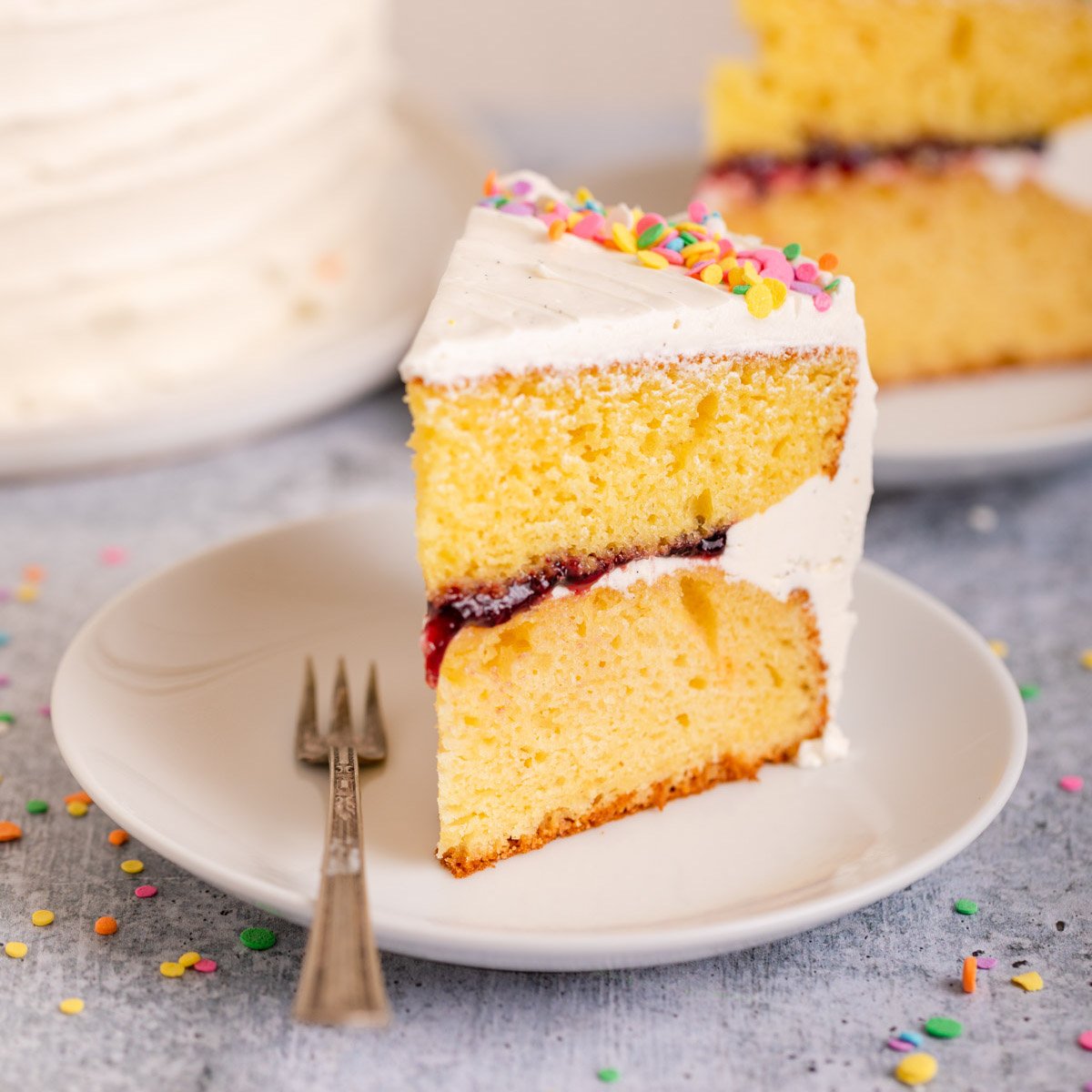

Yellow Cake Recipe
Ingredients
Equipment
Method
- Preheat oven to 350°F (175°C).
- Grease and flour a 9-inch round cake pan (or line with parchment paper).
- In a bowl, whisk together flour, baking powder, and salt. Set aside.
- In a large bowl, beat butter and sugar until light and fluffy (3-4 mins).
- Add eggs one at a time, mixing well after each.
- Stir in vanilla extract.
- Add ⅓ of the flour mixture, mix lightly.
- Pour in ½ of the milk, mix. Repeat, ending with flour.
- Pour batter into the pan, smooth the top.
- Bake 25-30 mins or until a toothpick comes out clean.
- Let cool 10 mins in the pan, then transfer to a wire rack.
- Frost with vanilla buttercream or enjoy plain!